
Our Location
304 North Cardinal St.
Dorchester Center, MA 02124

Simple brewing tips to help you bring out the aroma, flavour and character of your favourite tea.
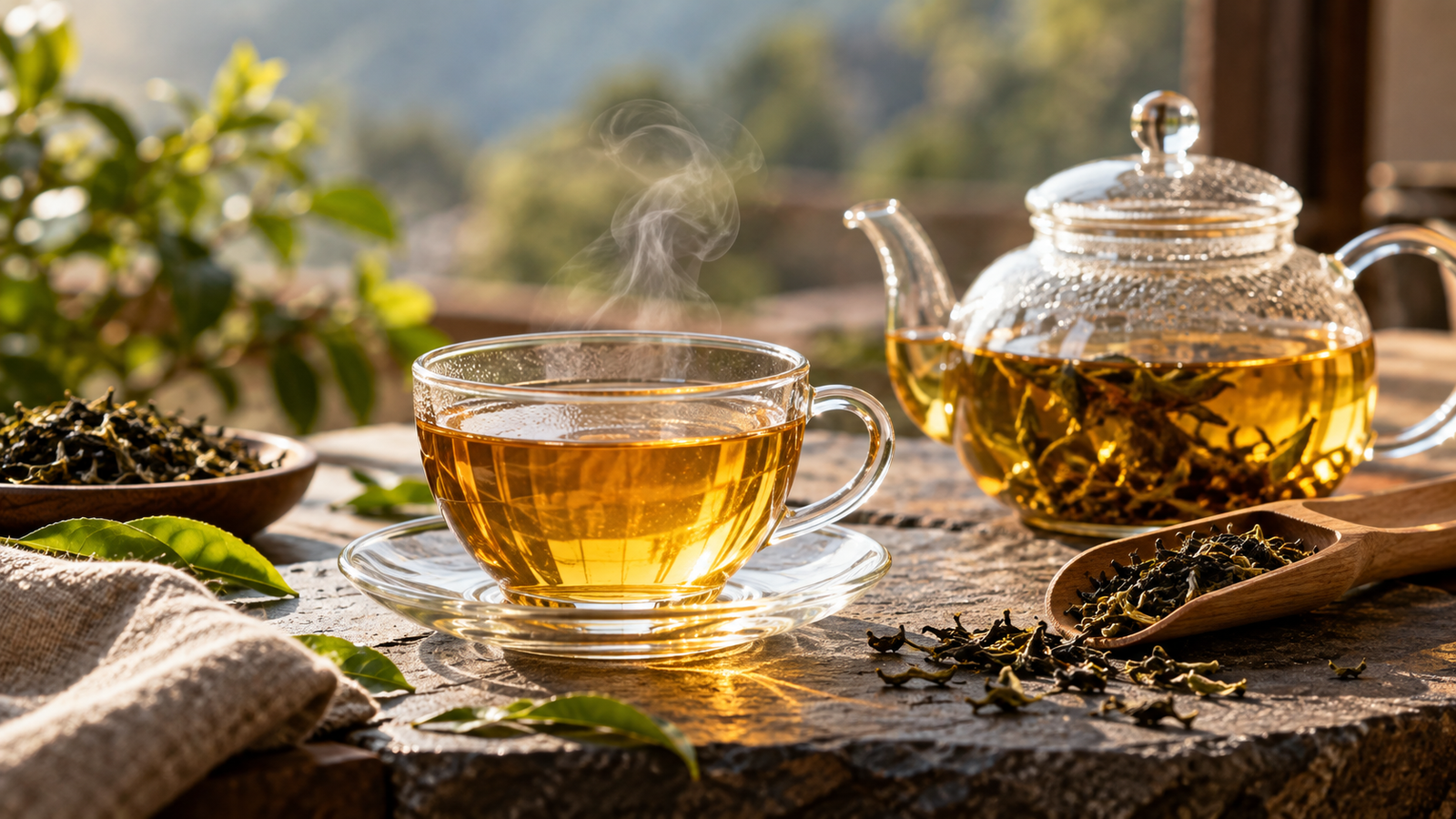
Brewing a great cup of tea is simple, but a few small details can make a noticeable difference. The quality of the tea, the water temperature, the amount of tea leaves and the steeping time all influence the final flavour.
Whether you are preparing green tea, black tea or oolong tea, the goal is to give the leaves enough time and the right conditions to release their natural aroma, flavour and character.
Here is a simple guide to brewing a balanced and enjoyable cup of tea at home.
A well-brewed cup of tea should have a pleasant aroma, balanced flavour and a clean finish. It should not taste excessively bitter, weak or overly astringent.
The final character depends on several factors:
Getting these basic elements right can make even a simple cup of tea much more enjoyable.
The quality of the tea leaves is the foundation of a good cup.
Loose-leaf tea can offer a more noticeable aroma and a more distinctive flavour because the leaves have room to open during brewing. Look for clean, well-made leaves with a fresh appearance and a pleasant natural aroma.
Different teas naturally have different characteristics, so there is no single brewing method that works perfectly for every variety.
Water makes up most of the finished cup, so its quality matters.
Fresh, clean water is generally the best choice. Water with a strong odour or an unpleasant mineral taste can affect the aroma and flavour of the tea.
Avoid repeatedly boiling the same water. Freshly heated water generally produces a cleaner-tasting cup.
Water temperature is one of the most important factors when brewing tea.
Using water that is too hot can make some delicate teas taste harsh or bitter, while water that is too cool may not extract enough flavour.
As a starting point:
70–80°C
Green tea generally benefits from cooler water, which helps preserve its delicate aroma and fresh character.
90–100°C
Black tea can usually handle hotter water, allowing its fuller flavour and aroma to develop properly.
85–95°C
Oolong tea generally works well with moderately hot water, helping bring out its distinctive aroma and layered flavour.
These temperatures are starting points rather than strict rules. Different teas may require slight adjustments depending on the leaf style and processing.
Using too much tea can produce an unnecessarily strong or bitter cup, while using too little can result in a weak flavour.
A useful starting point is approximately 2–3 grams of tea leaves for 200–250 ml of water.
You can adjust the amount according to your preferred strength, but keeping the quantity consistent makes it easier to achieve the same result each time.
Steeping time is just as important as water temperature.
Leaving tea in the water for too long can cause excessive extraction and make the flavour harsh or bitter. Steeping for too little time may result in a weak and underdeveloped cup.
As a general starting point:
The ideal time can vary depending on the specific tea, leaf size and personal preference.
Loose-leaf tea changes noticeably as it brews.
The leaves absorb water and gradually open, releasing their aroma, colour and flavour into the cup. This is one reason loose-leaf tea can provide a more expressive brewing experience.
Avoid overcrowding the leaves. Giving them enough room to expand allows the water to move around them more evenly.
For a balanced green tea:
Green tea is generally best brewed gently. Excessively hot water or prolonged steeping can overpower its delicate character.
For a full and balanced black tea:
Black tea generally produces a deeper colour and fuller flavour than green tea, making it well suited to hotter water and a longer brewing time.
For a well-balanced oolong:
Oolong tea can have a wide range of flavour profiles depending on how the leaves have been processed, so the ideal temperature and steeping time may vary.
One of the most common brewing mistakes is leaving the tea leaves in the water for too long.
Longer steeping does not necessarily mean better flavour. It can result in excessive bitterness or astringency, particularly with more delicate teas.
If your tea tastes too strong, try reducing the steeping time before changing the amount of tea.
The recommended temperatures and steeping times are useful starting points, but tea is ultimately a matter of personal preference.
Once you understand the basics, small adjustments can help you find the flavour you enjoy most.
Try changing one factor at a time:
This makes it easier to understand how each change affects the final cup.
Avoiding a few simple mistakes can significantly improve your tea.
Very hot water can overwhelm delicate teas and produce a harsh or bitter flavour.
Extended steeping can result in excessive bitterness and astringency.
Adding more leaves does not always produce better flavour. It can make the cup unnecessarily strong.
Strong flavours or odours in the water can interfere with the natural character of the tea.
Once the desired flavour has developed, remove the tea leaves from the water to prevent continued extraction.
A good starting range is 70–80°C. Cooler water generally works well for preserving the delicate character of green tea.
Black tea can generally be brewed with water around 90–100°C.
A good starting point is approximately 2–3 minutes.
Black tea can generally be steeped for around 3–5 minutes, depending on the tea and your preferred strength.
A useful starting range is approximately 2–5 minutes.
Approximately 2–3 grams of tea leaves for 200–250 ml of water is a useful starting point.
Tea can taste bitter when the water is too hot, the leaves are left in the water for too long, or too much tea is used.
Yes. Once the tea has reached the flavour and strength you prefer, removing the leaves stops further extraction and helps maintain a balanced taste.
Brewing excellent tea does not require complicated equipment or a complicated process. Start with good-quality leaves, use fresh water, choose an appropriate temperature and pay attention to steeping time.
Green tea generally benefits from gentler temperatures, black tea from hotter water and oolong tea from a balanced approach between the two.
With these simple principles, you can consistently prepare a cup that allows the natural aroma, flavour and character of the tea to come through.
