
Our Location
304 North Cardinal St.
Dorchester Center, MA 02124

Discover the history, distinctive flavour and unique growing conditions that make Kangra Tea one of India's most distinctive regional teas.
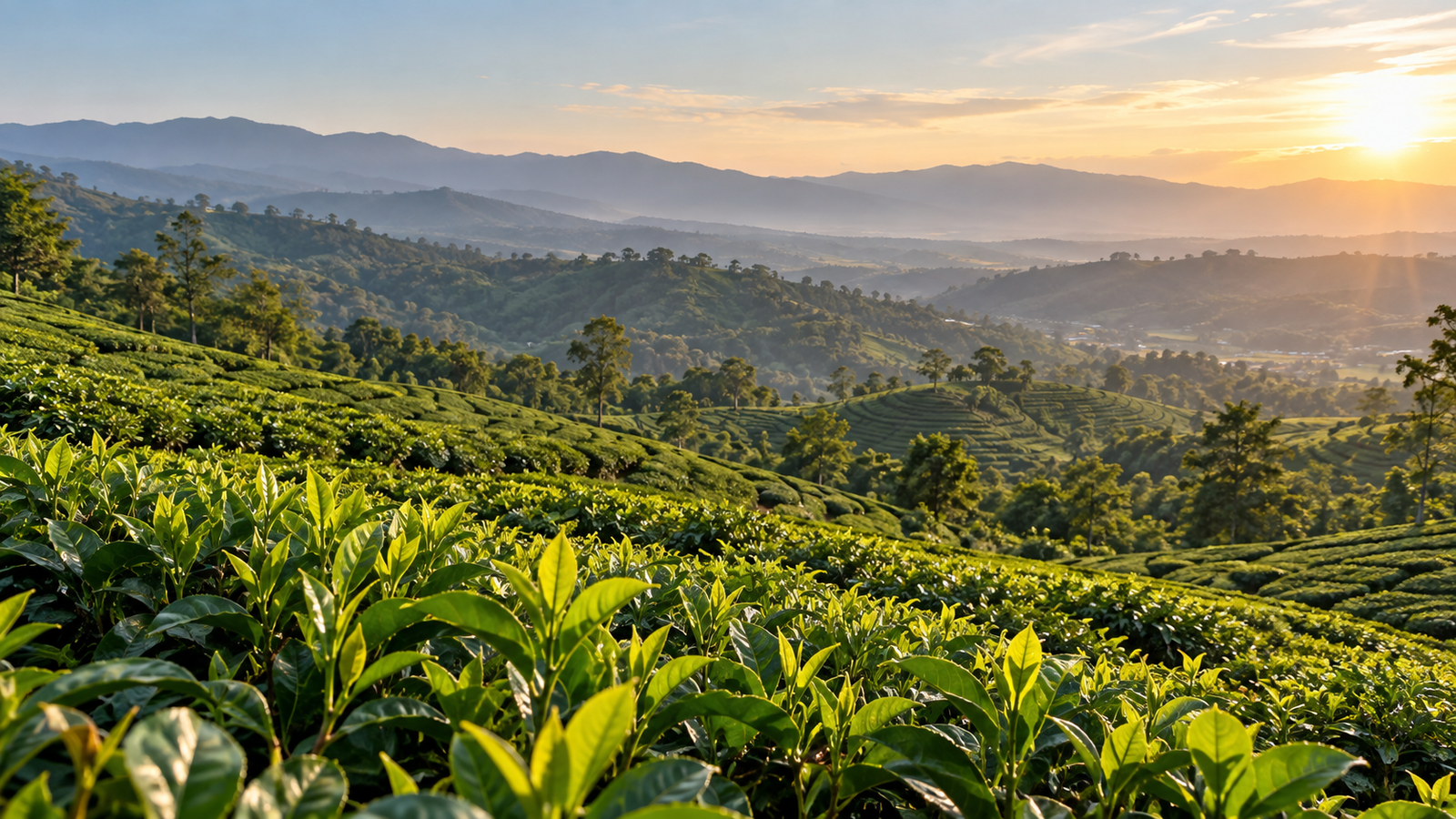
Kangra Tea is a distinctive regional tea grown in the Kangra area of Himachal Pradesh, India. Known for its refined character, delicate aroma and distinctive flavour, it has developed a special place among India’s traditional tea-growing regions.
What makes this tea particularly interesting is not simply where it is grown, but how the region’s landscape, climate, elevation and growing conditions influence the character of the finished leaf. The result is a tea with an identity of its own, offering tea drinkers an opportunity to discover a less familiar side of India’s tea heritage.
The region produces both green tea and black tea, with each style offering a different expression of the local growing environment and processing tradition.
The history of tea cultivation in Kangra goes back to the nineteenth century. Tea Board India records that the suitability of the region for tea cultivation was recognised in 1849, when Dr. Jameson, then superintendent of the Botanical Tea Gardens, identified the area as suitable for growing tea.
Over time, tea cultivation became part of the agricultural landscape of the region. Although Kangra remained a relatively small tea-producing area compared with some of India’s larger tea regions, its teas developed a distinctive identity of their own.
The region also developed an important trading history. Tea Board India records that Kangra tea was historically purchased locally and exported towards Kabul and Central Asia through Peshawar.
Today, the geographical identity of Kangra Tea is formally recognised through India’s Geographical Indication system. This recognition connects the name of the tea with its traditional geographical origin in Himachal Pradesh.
The growing environment is one of the most important factors behind the character of a regional tea.
Tea Board India states that tea in the Kangra region is cultivated at elevations ranging from approximately 900 to 1,400 metres above sea level. The region also receives substantial annual rainfall, with Tea Board information reporting approximately 270 to 350 centimetres.
The landscape combines tea-growing areas with hills, valleys and surrounding mountain terrain. These natural conditions influence how the tea plants develop and contribute to the characteristics found in the finished leaf.
For specialty tea, origin matters. A tea is shaped not only by the plant and the way its leaves are processed, but also by the environment in which those leaves are grown.
This connection between place and flavour is an important part of what makes regional teas worth exploring.
Kangra’s teas are known for a character that can be delicate yet expressive. Tea Board India particularly highlights the distinctive aroma and fruity character associated with the first flush.
The first flush refers to the early harvest of new growth. Young leaves harvested during this period can produce a fresh and aromatic cup with a character that differs from later harvests.
Tea Board India also describes Kangra tea as somewhat milder in flavour than Darjeeling tea while offering more body and liquor. These characteristics give it an individual position among India’s regional teas.
The experience can vary according to the type of tea, harvest and processing method. This is part of the appeal of specialty tea: the same broad region can produce different expressions depending on when the leaves are harvested and how they are handled.
Rather than being defined by one single tasting note, the character of the tea is better understood as a combination of aroma, flavour, body and finish.
The Kangra region is associated with both green tea and black tea, but the two styles offer noticeably different experiences.
Green tea from the region is valued for its delicate character and aromatic profile. Tea Board India describes the area’s green tea as having a delicate woody aroma.
Because green tea is processed in a way that limits oxidation, the finished tea generally retains a lighter and fresher character. Brewing temperature and steeping time can also have a significant effect on the final cup.
A carefully brewed green tea can be a good choice for those who prefer a lighter and more delicate tea experience.
Black tea offers a deeper cup with a different balance of aroma, body and finish. Tea Board India notes a sweet lingering aftertaste in Kangra black tea.
Black tea undergoes greater oxidation during processing than green tea, resulting in differences in colour, aroma and flavour.
For drinkers who enjoy a fuller cup while still looking for the distinctive character of a regional specialty tea, Kangra black tea offers an interesting alternative.
There is no single flavour that describes every tea from the region. The final character can vary according to the tea type, harvest, processing method and brewing technique.
The first flush is particularly associated with a distinctive aroma and subtle fruity character. Green tea can show delicate woody notes, while black tea can offer a sweeter lingering finish.
One of the best ways to understand a specialty tea is to taste it carefully rather than relying only on a list of tasting notes.
Pay attention to the aroma before drinking, the first impression on the palate, the body of the liquor and the finish that remains after each sip.
These details can reveal much about the character of a tea and can also make tasting more enjoyable.
Good tea deserves careful brewing. The ideal method depends on whether you are preparing green tea or black tea, but a few basic principles can help you achieve a balanced cup.
For green tea, avoid using freshly boiling water. Slightly cooler water can help preserve its delicate character and reduce the possibility of a harsh or overly bitter cup.
For black tea, hotter water is generally suitable, particularly when brewing whole-leaf tea. Give the leaves enough time to release their aroma and flavour, while avoiding excessively long brewing if the cup begins to taste overly strong or astringent.
A useful approach is to begin with a moderate brewing time and adjust it according to your preference. The quantity of tea, water quality, temperature and steeping time can all influence the final result.
It is also worth paying attention to how the tea changes as it cools. Some specialty teas reveal additional aroma and flavour as their temperature drops.
The goal is not simply to make a strong cup, but to find the brewing balance that allows the character of the tea to come through clearly.
The identity of a specialty tea is closely connected to its place of origin.
Climate, elevation, rainfall, soil, cultivation practices, harvest timing and processing can all influence the final character of the leaf. This is why teas from different parts of India can offer noticeably different experiences even when they come from the same species of tea plant.
Kangra provides an interesting example of this connection between geography and flavour. Its relatively small tea-growing area, long cultivation history and recognised geographical identity give the region a distinctive position within India’s tea landscape.
For tea enthusiasts, discovering teas from the region is an opportunity to explore another side of Indian tea beyond the country’s better-known tea origins.
Kangra Tea represents an important part of India’s regional tea heritage. Its history, growing environment and distinctive character make it different from many of the country’s more familiar tea-producing regions.
For people who are beginning to explore specialty tea, it offers an opportunity to understand how strongly origin can influence the experience of a cup.
For experienced tea drinkers, it provides another regional expression to explore, compare and appreciate.
The story of this tea is ultimately a story of place — the landscape in which it grows, the people involved in its cultivation and processing, and the character that develops from leaf to cup.
Kangra Tea is tea grown in the Kangra region of Himachal Pradesh, India. The region produces both green tea and black tea and is known for its distinctive aroma and flavour characteristics.
It is grown in the Kangra region of Himachal Pradesh. Tea Board India reports cultivation at elevations of approximately 900 to 1,400 metres above sea level.
Yes. Kangra Tea is a registered Geographical Indication in India. The GI recognition connects the product’s identity with its geographical origin in Himachal Pradesh.
The flavour can vary according to the tea type, harvest and processing method. The first flush is associated with a distinctive aroma and fruity character. Green tea can have a delicate woody aroma, while black tea is noted for a sweet lingering aftertaste.
Both. The Kangra region produces green tea as well as black tea, with each style offering a different aroma, flavour and overall drinking experience.
The brewing method depends on the type of tea. Green tea generally benefits from cooler water and controlled steeping, while black tea can be brewed with hotter water. Adjusting the temperature and steeping time to the particular tea is the best way to achieve a balanced cup.
The environment in which tea is grown can influence the development of its aroma, flavour and character. Elevation, rainfall, climate, cultivation and processing all contribute to the final expression of a regional tea.
Kangra Tea brings together regional heritage, distinctive growing conditions and an individual flavour character. From its nineteenth-century history to its recognition as a Geographical Indication, it represents an important part of Himachal Pradesh’s tea heritage.
Whether you prefer the delicate character of green tea or the deeper profile of black tea, exploring teas from this region offers an opportunity to experience a distinctive part of India’s specialty tea landscape.
At Himalayan Pinnacle, we believe that understanding where a tea comes from can make every cup more meaningful. The character of a regional tea is shaped by its landscape, cultivation and careful tea making — and that connection between place and flavour is what makes every origin worth discovering.
